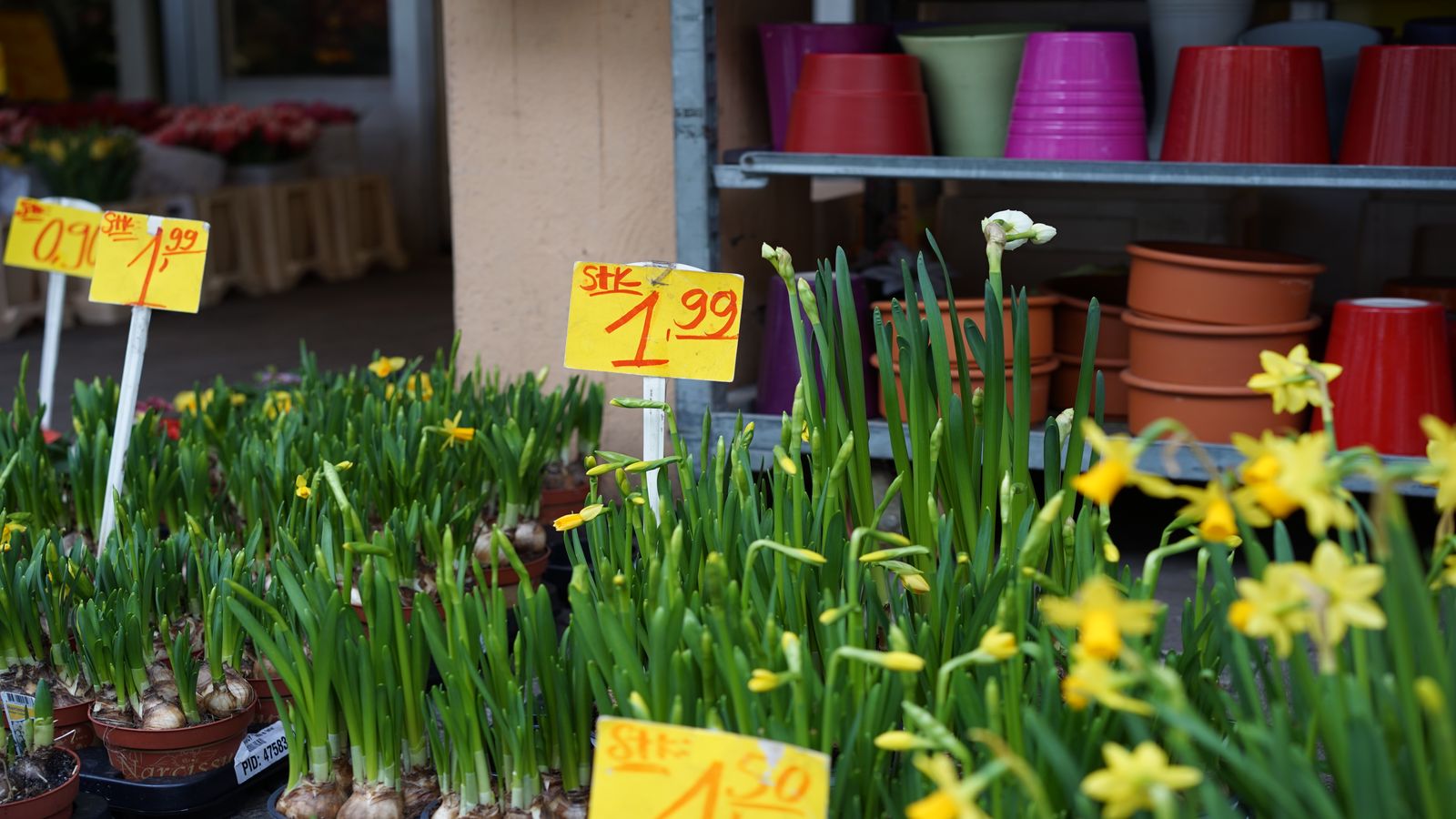
Flowers & Bulbs
Cultivation notes, bulb profiles, and seasonal guidance for growers
Growing flowers commercially, even at a small scale, is a discipline built on timing, soil conditions, regional climate, and attention to cultivar-specific behaviour. This hub collects our bulb profiles, planting notes, and seasonal logistics content, all written from a hands-on perspective. Whether you grow tulips for direct sale, supply to local florists, or maintain a mixed-bulb catalogue for online orders, the material here is designed to help you make practical decisions. For notes on how payment and fulfilment intersect with flower sales, see our Bitcoin Payments hub.
Tulip Bulbs and Cultivars
Tulips remain the core of this section. Each bulb profile covers growing conditions, expected performance, planting windows, and suitability for different markets. We approach cultivar notes the way a working grower would, with honest assessments of vigour, reliability, and seasonal timing.
Tulip Bulb #24754
A detailed profile covering growing requirements, seasonal suitability, merchant notes, and field observations for this specific cultivar.
Tulip Autumn PlantingSeasonal Growing Calendar
Flower bulb operations follow tight seasonal windows. Miss a planting deadline and you lose the entire crop cycle. Miss an ordering window and your supplier stock is gone. We document the timelines that matter for growers in temperate climates, with adjustments noted for common regional variations.
Key seasonal considerations:
- Autumn planting (September to November): The primary window for tulip bulb installation. Soil temperature should drop below 15 degrees Celsius before planting for proper vernalisation.
- Spring harvest (March to May): Cut flower timing depends on cultivar, microclimate, and forcing conditions. Early varieties can reach market weeks before field-grown competition.
- Pre-order windows (January to June): Most specialist bulb suppliers close wholesale pre-orders by late June for autumn delivery. Payment settlement timing matters if you invoice in Bitcoin.
- Post-harvest handling (June to August): Bulb lifting, curing, grading, and storage. This period determines next season's quality.
Sourcing and Logistics
Sourcing flower bulbs involves a supply chain that is deceptively complex for a natural product. Grading standards, phytosanitary requirements, cold chain logistics, and supplier reliability all play a role.
We cover:
- How to evaluate bulb suppliers beyond catalogue photography
- Grading systems and what size actually means for bloom quality
- Import and export considerations for cross-border bulb trade
- Payment timing and settlement when ordering from international suppliers using Bitcoin
Connecting Flowers to the Wider Site
Flower cultivation does not happen in isolation. Climate control in the greenhouse connects directly to our Heat Reuse coverage. Payment operations for seasonal sales connect to our Bitcoin Payments guides. And the business logistics of running a small flower operation appear regularly in our Journal.
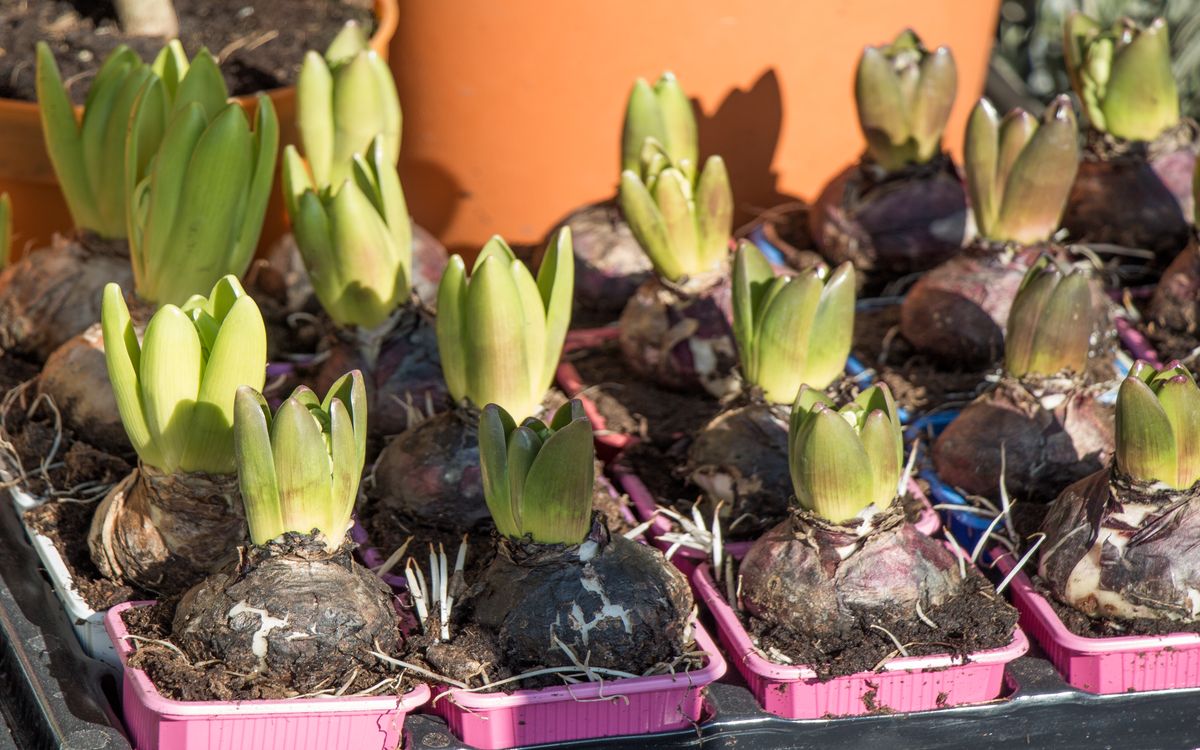
Growing Guides
For practical growing information, see these related guides:
- Greenhouse Heat Management covers the climate fundamentals that directly affect flower cultivation
- Bitcoin for Seasonal Businesses addresses the payment and invoicing patterns that flower growers encounter
- Waste Heat for Small Greenhouses explores low-cost heating strategies relevant to bulb forcing and early-season production
This section grows as we document additional cultivars and seasonal observations. Check the Journal for the latest field notes.