Greenhouse Heat Management
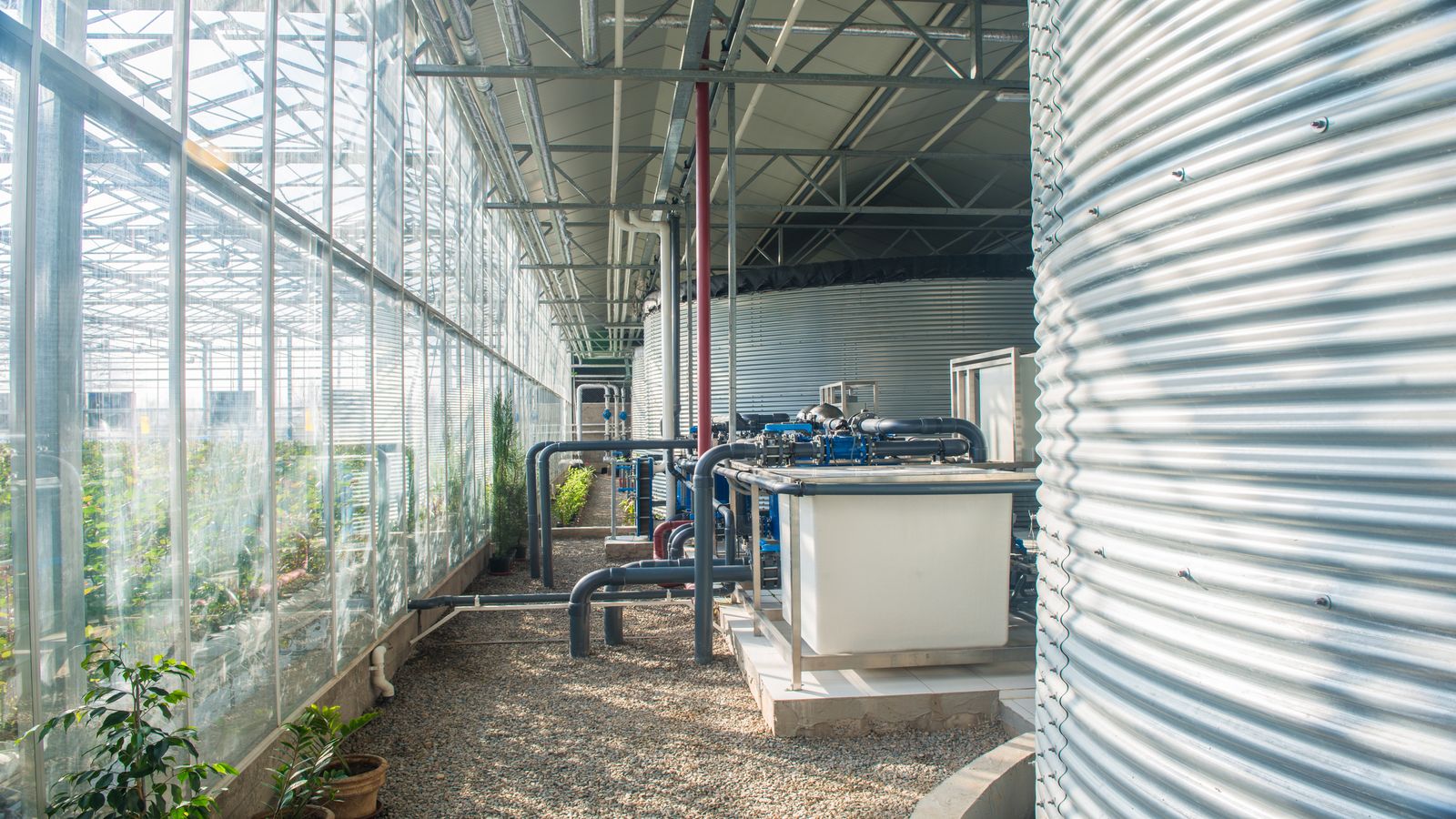
Heat management in a greenhouse is the single largest operating cost for most growers in temperate and northern climates, and it is the factor most likely to determine whether a growing operation is profitable or not. Getting it right means understanding heat loss, choosing appropriate heating systems, managing ventilation without wasting energy, and making insulation decisions that balance light transmission against thermal retention. This guide covers the core principles and practical strategies that apply to small and mid-scale greenhouse operations, with specific attention to the energy decisions that connect to our Heat Reuse coverage.
Understanding Heat Loss
A greenhouse loses heat through four mechanisms, and managing each one is the foundation of effective climate control.
Conduction. Heat transfers through the solid materials of the greenhouse structure: glass panes, polycarbonate panels, aluminium framing, concrete foundations. Single-layer glass is a poor insulator with a U-value around 5.5 to 6.0 W/m2K. Double-wall polycarbonate improves this to roughly 2.5 to 3.5 W/m2K.
Research published through Wageningen University & Research has consistently demonstrated that glazing choice is the single most impactful variable in greenhouse energy consumption. Their work on semi-closed greenhouse designs shows potential energy savings of 30 percent or more compared to conventional open-ventilated structures.
Convection. Warm air rises and escapes through vents, gaps, and poorly sealed joints. Air infiltration rates in older greenhouses can be surprisingly high. A greenhouse with an air exchange rate of 1.0 per hour (meaning the entire air volume is replaced every hour through leaks) will lose heat far faster than one sealed to 0.3 exchanges per hour.
Radiation. All objects emit thermal radiation. On clear winter nights, a greenhouse loses significant heat through infrared radiation to the cold sky. This is why frost damage often occurs on clear, calm nights rather than overcast ones, the cloud cover acts as a radiation shield.
Evaporation. Wet surfaces, plant transpiration, and irrigation all consume heat energy as water evaporates. This latent heat loss is often underestimated in heating calculations.
Heating Systems for Small Greenhouses
The practical heating options for a small to mid-scale growing operation include:
Natural gas or propane heaters. The most common choice for commercial greenhouses. Unit heaters with hot air distribution are affordable and effective. Gas-fired hot water boilers with hydronic distribution provide more even heat but at higher initial cost. Operating costs depend entirely on local fuel prices, which vary dramatically by region.
Electric heating. Convenient and controllable but typically expensive per kilowatt-hour compared to gas. Electric resistance heaters convert 100 percent of input energy to heat, making the running cost directly proportional to your electricity rate. Heat pumps offer a much better ratio, delivering 2.5 to 4 kilowatt-hours of heat per kilowatt-hour of electricity consumed, but the upfront cost is substantial.
Biomass heating. Wood chip, pellet, or straw-fired boilers are viable in regions with low-cost biomass supply. Operating costs can be very low, but fuel handling, ash management, and air quality regulations add complexity. Best suited to operations with access to local biomass supply chains.
Waste heat recovery. Whether from mining hardware, combined heat and power (CHP) units, or co-located industrial processes, waste heat recovery can provide low-cost heating. The practical details of mining heat recovery are covered in our dedicated guide on Bitcoin Mining Heat Reuse.
Solar thermal. Evacuated tube or flat-plate solar collectors can preheat water for hydronic greenhouse heating. Effective as a supplemental source during shoulder seasons but insufficient as a primary heat source during the coldest months when heating demand peaks and solar input is lowest.
Insulation Strategies
Every insulation decision in a greenhouse involves a trade-off between thermal retention and light transmission. Plants need light. Insulation blocks light. Finding the right balance is a core skill of greenhouse management.
Double-layer glazing. Replacing single glass with double-wall polycarbonate roughly halves conduction losses but reduces light transmission by 10 to 15 percent. For winter production in northern latitudes, this trade-off is almost always worthwhile.
Thermal screens. Retractable screens that deploy horizontally inside the greenhouse at night or during cold periods. A good thermal screen reduces heat loss by 30 to 50 percent during deployment. Automated systems that retract at dawn and deploy at dusk are standard in commercial operations.
Perimeter insulation. Insulating the lower 50 to 100 centimetres of the greenhouse wall, particularly on the north side in the Northern Hemisphere, reduces conduction losses through the area with the highest temperature differential. Rigid foam insulation boards faced with reflective material are effective and inexpensive.
Foundation insulation. Heat loss through the greenhouse floor and perimeter foundation is often overlooked. In-ground insulation around the foundation perimeter can reduce floor-level heat loss by 20 to 30 percent.
Ventilation Without Waste
Ventilation is necessary for humidity control, carbon dioxide management, and preventing overheating. But every cubic metre of warm air vented out represents paid-for heat leaving the greenhouse.
Ridge ventilation. Roof vents are effective for removing hot, humid air but difficult to control precisely. Motorised vents with temperature and humidity sensors help, but the response time of mechanical vent systems means some energy waste is inevitable.
Fan ventilation with heat recovery. Mechanical exhaust fans paired with heat recovery ventilators (HRVs) can capture a portion of the heat from outgoing air and transfer it to incoming fresh air. These systems are common in residential construction but underused in greenhouses. The economics improve significantly in cold climates where the temperature differential between inside and outside is large.
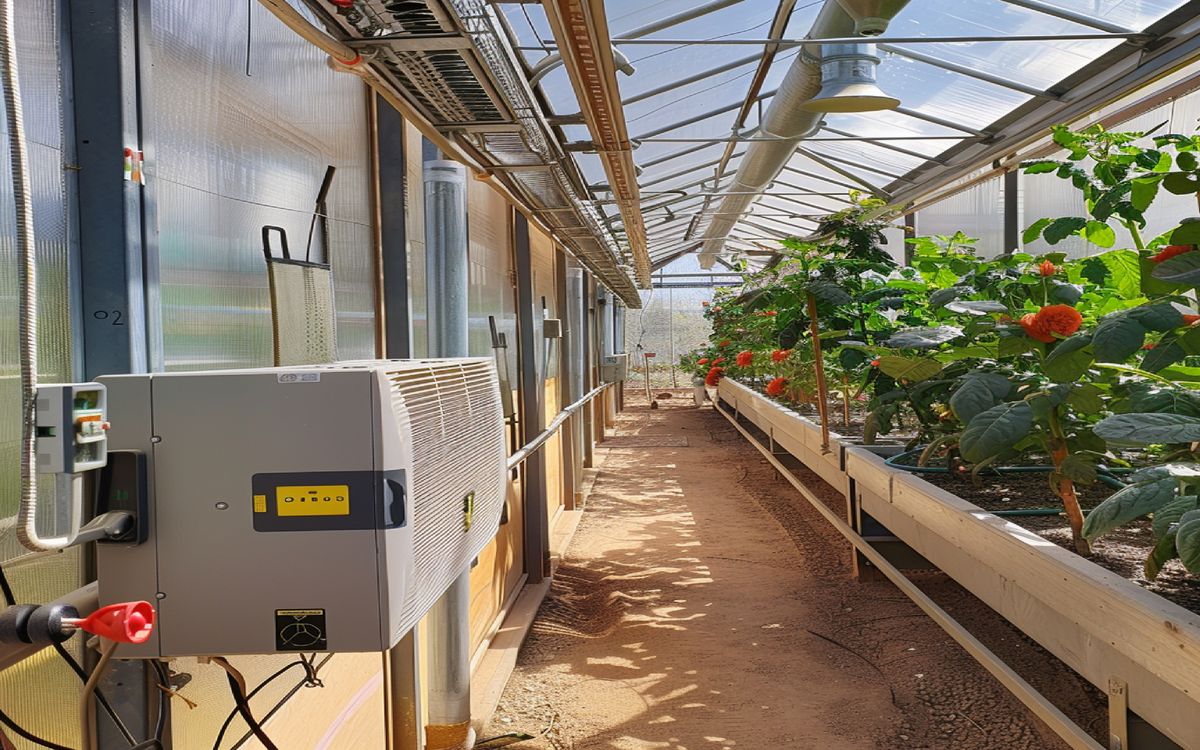
Dehumidification. Rather than venting warm, humid air and replacing it with cold, dry outside air, dehumidifiers remove moisture while keeping the heat inside. The electrical cost of dehumidification is often less than the heating cost of the air that would otherwise be vented. This is particularly relevant for greenhouse operations that also incorporate mining heat, where the additional dry heat from mining can shift the humidity balance.
Energy Monitoring and Control
You cannot manage what you do not measure. Basic energy monitoring should include:
- Inside temperature at crop level (not ceiling level, where sensors are often placed by default)
- Outside temperature
- Relative humidity inside and outside
- Heating system run time and fuel consumption
- Electricity consumption for fans, lights, and auxiliary equipment
Even a basic data-logging setup with inexpensive sensors provides the information needed to make rational energy decisions. The growers who run the tightest operations always know their energy numbers.
Practical Recommendations
For a grower looking to improve greenhouse heat management:
- Seal air leaks first. This is the highest return-on-investment improvement for almost every greenhouse. Walk the structure with a smoke pencil or incense stick on a cold day and find every gap.
- Install a thermal screen if you do not have one. The payback period is typically one to three heating seasons.
- Insulate the perimeter on the north and exposed sides.
- Monitor your energy use and establish a baseline before making changes so you can measure actual improvements.
- Consider your heating fuel cost relative to alternatives. If you are on expensive electricity, a heat pump or gas system may save money. If gas is expensive, electric heat pumps or biomass may make sense.
- Right-size your heating system. An oversized heater cycling on and off wastes fuel and creates temperature swings. A properly sized system that runs steadily is more efficient and better for plants.
Connecting to Other Coverage
Greenhouse heat management is foundational to several other topics on this site. The energy decisions made here directly affect the economics of mining heat reuse, the growing conditions described in our Flowers & Bulbs section, and the seasonal business patterns covered in our Journal.